
Side by side
India and Pakistan, point by point.
| Aspect | India | Pakistan |
|---|---|---|
| Fruit | Nagpur-type mandarin (Citrus reticulata), sweet and juicy | Kinnow, a mandarin hybrid, about 85% of Pakistan's citrus; 12 to 27 seeds a fruit in published studies |
| Season | Ambia crop from October, Mrig crop February–March; ours December to February | Harvested December–February; exports from 1 December |
| Scale | Exported mainly to neighbours by road | About 2.8 million tonnes expected in 2025-26; 250,000 tonnes exported the season before |
| Main markets | Bangladesh, Nepal, the UAE, Bhutan | Afghanistan (about 60% in 2024-25, border closed since October 2025), the Gulf, Sri Lanka, the Philippines, Indonesia |
Indian oranges from us
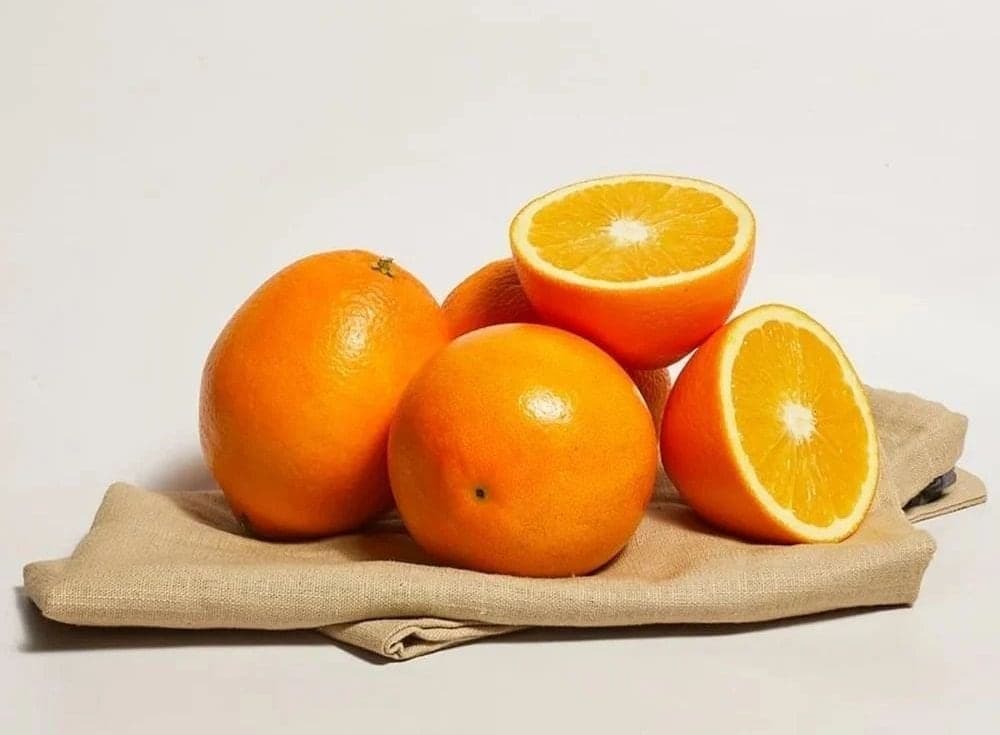
Fresh oranges supplied by count, from the largest fruit at count 80 to count 225. Sourced only from farms and forest orchards, never bought at the mandi. From Kota, Rajasthan.
| Count |
|---|
| 80 |
| 96 |
| 141 |
| 171 |
| 191 |
| 205 |
| 225 |
Questions
Quick answers.
What is the difference between Indian and Pakistani oranges?
Pakistan's export orange is Kinnow, a mandarin hybrid that makes up most of its citrus and is known for being heavily seeded. India's is the Nagpur-type mandarin, sweet and juicy, with two crops a year in central India. Both sell into the Gulf in winter.
How does Indian oranges compare with Pakistani on fruit?
India: Nagpur-type mandarin (Citrus reticulata), sweet and juicy. Pakistan: Kinnow, a mandarin hybrid, about 85% of Pakistan's citrus; 12 to 27 seeds a fruit in published studies.
How does Indian oranges compare with Pakistani on season?
India: Ambia crop from October, Mrig crop February–March; ours December to February. Pakistan: Harvested December–February; exports from 1 December.
How does Indian oranges compare with Pakistani on scale?
India: Exported mainly to neighbours by road. Pakistan: About 2.8 million tonnes expected in 2025-26; 250,000 tonnes exported the season before.
How does Indian oranges compare with Pakistani on main markets?
India: Bangladesh, Nepal, the UAE, Bhutan. Pakistan: Afghanistan (about 60% in 2024-25, border closed since October 2025), the Gulf, Sri Lanka, the Philippines, Indonesia.