
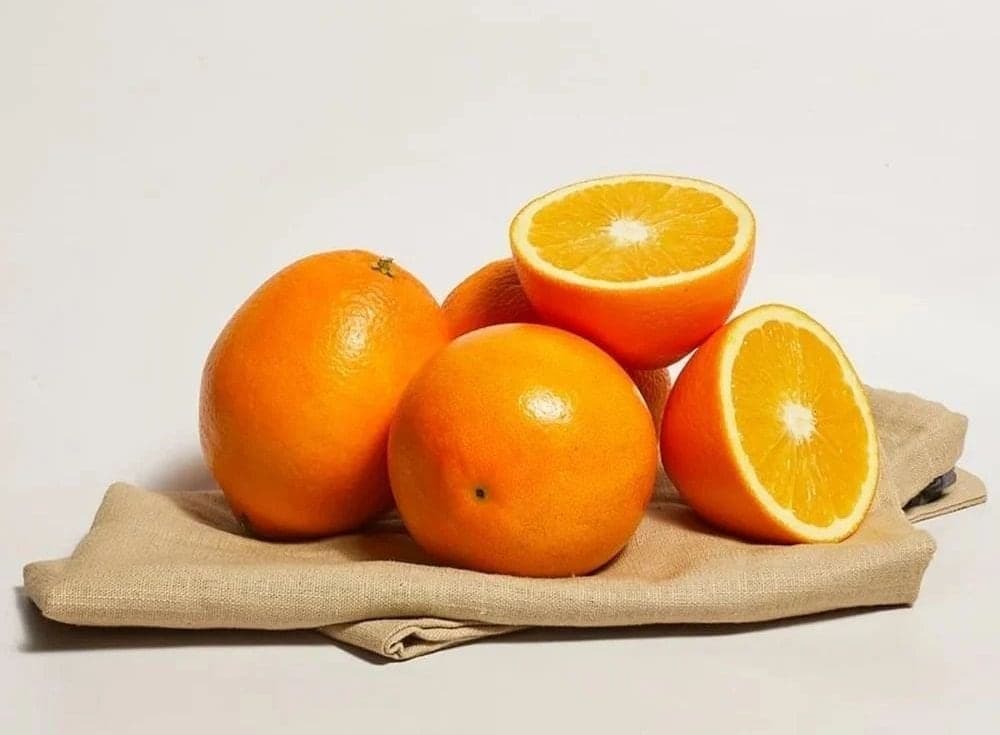
Most Indian "oranges" are mandarins
The orange most Indians buy is a mandarin, loose-skinned and easy to peel, called santra. Mandarins take nearly 40% of India's citrus area, the largest share of any citrus. The varieties below are the ones you meet in the trade.
The main varieties and where they grow
- Nagpur mandarin (Nagpur santra): grown in Vidarbha, Maharashtra, around Nagpur and Amravati; rated by the National Horticulture Board among the best mandarins in the world.
- Kinnow: a mandarin hybrid grown mainly in Punjab and Haryana; juicy, with more seeds.
- Coorg: the main commercial mandarin of south India, from Coorg and Wayanad.
- Khasi mandarin: from Meghalaya and the north-east.
- Darjeeling mandarin: from the Darjeeling hills of West Bengal.
Jhalawar: the Nagpur of Rajasthan
Rajasthan's oranges come from the Jhalawar district in the Hadoti region, known as the "Nagpur of Rajasthan" for the mandarins it grows, with Bhawani Mandi as its orange market. These are the oranges we supply, graded by count, from our base in Kota.
Which orange is best?
- For eating and gifting: Nagpur-type mandarins, easy to peel and sweet-sour.
- For juice: Kinnow, which is juicier but seedier.
- For retail display: larger, even fruit, which in the trade means a lower count per box.
Oranges are sold by count: the number of fruits that fill a standard box. A lower count means bigger oranges.
| Count |
|---|
| 80 |
| 96 |
| 141 |
| 171 |
| 191 |
| 205 |
| 225 |
Questions
Quick answers.
Which is the best orange in India?
The Nagpur mandarin is the best known, rated among the best mandarins in the world. For juice, Kinnow is preferred.
What is the difference between Nagpur orange and Kinnow?
Both are mandarins. Nagpur santra is grown in Vidarbha, Maharashtra and peels easily; Kinnow is a hybrid grown in Punjab and Haryana, juicier and with more seeds.
Where are oranges grown in Rajasthan?
In Jhalawar district, called the Nagpur of Rajasthan, with Bhawani Mandi as its orange market.
What does orange count mean?
The number of oranges that fill a standard box. A lower count means bigger fruit.
Updated